影片详情
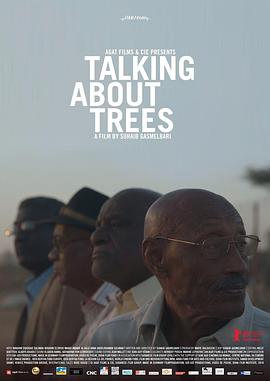
当我们谈论树的时候
苏利曼和“苏丹电影俱乐部”的另外三名成员决定重振一家旧电影院。他们不仅因为对电影的热爱和对恢复旧电影存量、再次关注苏丹电影历史的强烈渴望而团结在一起,而且因为他们都曾在流放中接受过电影教育。不知疲倦地,他们试图让影院老板站在他们一边,让这个地方重新运作起来,但他们一再发现自己遭到了相当大的阻力。
- 类型
- 记录片
- 年份
- 2019
- 地区
- 法国
- 语言
- 其它
- 导演
- 苏哈伊布·加斯梅尔巴里
- 主演
- 苏莱曼·易卜拉欣,易卜拉欣·沙达德
播放地址
《当我们谈论树的时候》选集
剧情资料
剧情简介
《当我们谈论树的时候》讲述的是什么故事?
《当我们谈论树的时候》 苏利曼和“苏丹电影俱乐部”的另外三名成员决定重振一家旧电影院。他们不仅因为对电影的热爱和对恢复旧电影存量、再次关注苏丹电影历史的强烈渴望而团结在一起,而且因为他们都曾在流放中接受过电影教育。不知疲倦地,他们试图让影院老板站在他们一边,让这个地方重新运作起来,但他们一再发现自己遭到了相当大的阻力。同时,他们坐在一起谈论过去——包括他们作为对立艺术家遭受迫害甚至折磨的经历。他们还朗读流亡和梦想苏丹时写的旧信,在那里艺术和智力思想可以自由。“我们比他们聪明,但不如他们强大,”他们一致总结了他们的处境。正是在这些简洁的时刻,观众才能够感知到友谊,以及在为共同理想而斗争中存在的纽带和意识形态的团结。 苏哈伊布·加斯梅尔巴里把苏丹电影的历史放在影片的中心,同时也揭示了一个受到持续危机影响的国家的现状 Suliman and three further members of the ‘Sudanese Film Club’ have decided to revive an old cinema. They are united not only by their love of cinema and their passionate desire to restore old film stock and draw attention to Sudanese film history once more, but also by the fact that they have all enjoyed a film education in exile. Tirelessly, they try to get the cinema’s owners on their side and make the place operational again, but repeatedly find themselves up against considerable resistance. In the meantime, they sit together and talk about the past – including their experiences of persecution and even torture as oppositional artists. They also read out old letters written while in exile and dream of a Sudan in which art and intellectual thought can be free. ‘We are smarter than them, but not as strong,’ is how they unanimously summarise their situation. It is in laconic moments such as these that the viewer is able to perceive the friendship, as well as the bond and ideological solidarity that exists in the struggle for common ideals. Suhaib Gasmelbari puts the history of Sudanese cinema at the centre of his film and at the same time sheds light on the current situation in a country shaken by ongoing crises.
一、《当我们谈论树的时候》是哪一年上映的?
《当我们谈论树的时候》是苏哈伊布·加斯梅尔巴里于2019年拍摄的一部经典记录片。此片开创法国当代记录片的先河,《当我们谈论树的时候》上映时票房稳坐前三,创下当年纪录。当时苏莱曼·易卜拉欣,易卜拉欣·沙达德均为最佳主角,苏莱曼·易卜拉欣,易卜拉欣·沙达德以精彩演技和突出形象,奠定在法国影坛地位。苏莱曼·易卜拉欣,易卜拉欣·沙达德饰演角色造型多年后仍为人所模仿。苏哈伊布·加斯梅尔巴里之前曾被人怀疑其能力,而《当我们谈论树的时候》却奠定苏哈伊布·加斯梅尔巴里记录片风格。《当我们谈论树的时候》首映时曾获海外记录片和媒体广泛称誉,被认为其优秀程度,是足以与同时期(指2019年代)法国优秀记录片齐名。
二、被称为记录片的开先河之作的《当我们谈论树的时候》,是苏哈伊布·加斯梅尔巴里最好的作品吗?
从苏哈伊布·加斯梅尔巴里斩获记录片最佳导演开始,很多观众就觉得这部《当我们谈论树的时候》是他极具代表性的记录片。虽然苏哈伊布·加斯梅尔巴里后来还拍出过评价很好的作品,但是《当我们谈论树的时候》依然常被认为是他记录片创作中的重要代表。
三、《当我们谈论树的时候》为什么可以成为经典?
提起法国,不少观众都会想到《当我们谈论树的时候》的名字。这部由苏哈伊布·加斯梅尔巴里导演,苏莱曼·易卜拉欣,易卜拉欣·沙达德主演的《当我们谈论树的时候》,在当时凭借鲜明的人物塑造和紧凑的记录片叙事获得了不错反响。正是人物命运、情绪推进和故事节奏之间的相互配合,让《当我们谈论树的时候》在同类型作品中具有较高辨识度,也让观众对其中的情节留下深刻印象。
四、如何评价《当我们谈论树的时候》?
《当我们谈论树的时候》口碑表现稳定,深受广大观众喜爱。不仅苏莱曼·易卜拉欣,易卜拉欣·沙达德的表演有看点,而且该记录片故事情节紧凑,影视8(8.hnttlq.cn)观看起来流畅,同时还能保持较强的剧情吸引力。虽然不同观众对《当我们谈论树的时候》的评价各有侧重,但该片目前的受欢迎程度已经名列同类作品前茅。
五、《当我们谈论树的时候》记录片的主要内容
《当我们谈论树的时候》是一部记录片作品,由导演苏哈伊布·加斯梅尔巴里执导,苏莱曼·易卜拉欣,易卜拉欣·沙达德主演。影片围绕主要人物的经历展开,通过人物关系、情节推进和情绪变化,呈现出一段具有观看价值的记录片故事。
《当我们谈论树的时候》 苏利曼和“苏丹电影俱乐部”的另外三名成员决定重振一家旧电影院。他们不仅因为对电影的热爱和对恢复旧电影存量、再次关注苏丹电影历史的强烈渴望而团结在一起,而且因为他们都曾在流放中接受过电影教育。不知疲倦地,他们试图让影院老板站在他们一边,让这个地方重新运作起来,但他们一再发现自己遭到了相当大的阻力。同时,他们坐在一起谈论过去——包括他们作为对立艺术家遭受迫害甚至折磨的经历。他们还朗读流亡和梦想苏丹时写的旧信,在那里艺术和智力思想可以自由。“我们比他们聪明,但不如他们强大,”他们一致总结了他们的处境。正是在这些简洁的时刻,观众才能够感知到友谊,以及在为共同理想而斗争中存在的纽带和意识形态的团结。 苏哈伊布·加斯梅尔巴里把苏丹电影的历史放在影片的中心,同时也揭示了一个受到持续危机影响的国家的现状 Suliman and three further members of the ‘Sudanese Film Club’ have decided to revive an old cinema. They are united not only by their love of cinema and their passionate desire to restore old film stock and draw attention to Sudanese film history once more, but also by the fact that they have all enjoyed a film education in exile. Tirelessly, they try to get the cinema’s owners on their side and make the place operational again, but repeatedly find themselves up against considerable resistance. In the meantime, they sit together and talk about the past – including their experiences of persecution and even torture as oppositional artists. They also read out old letters written while in exile and dream of a Sudan in which art and intellectual thought can be free. ‘We are smarter than them, but not as strong,’ is how they unanimously summarise their situation. It is in laconic moments such as these that the viewer is able to perceive the friendship, as well as the bond and ideological solidarity that exists in the struggle for common ideals. Suhaib Gasmelbari puts the history of Sudanese cinema at the centre of his film and at the same time sheds light on the current situation in a country shaken by ongoing crises.